Iran’s Revolution, Khamenei’s Failure, and the Return of the Pahlavi Question
Iran’s crisis highlights missed reforms and revives exiled monarchy debates
Introduction
Nearly half a century after Iran’s monarchy collapsed, the country finds itself facing another historic crossroads. Mass killings, widespread protests, and international pressure have exposed the deep fragility of the Islamic Republic under Ayatollah Ali Khamenei. In this vacuum, an unexpected figure has resurfaced: Reza Pahlavi, son of Iran’s last shah.
The renewed interest in a Pahlavi restoration says less about nostalgia—and more about the Islamic Republic’s failure to reform.
1979: The Revolution That Changed Iran
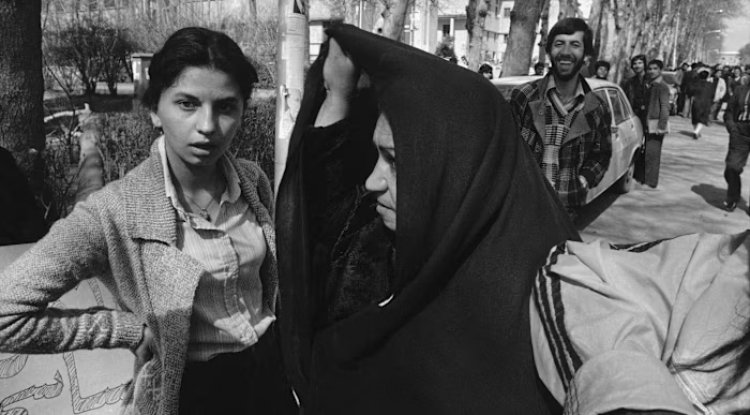
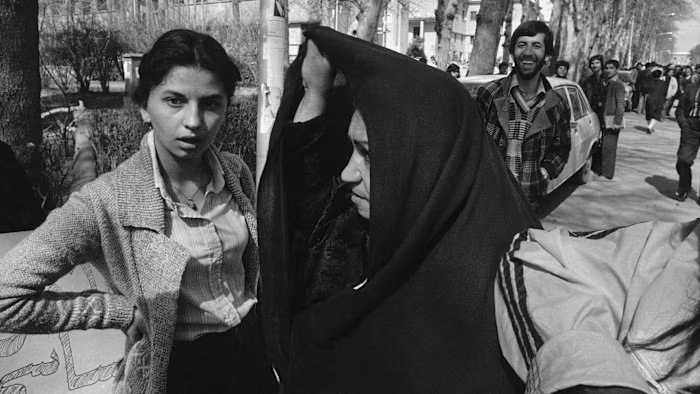
In January 1979, Mohammad Reza Shah Pahlavi fled Iran as a broad coalition of clerics, liberals, leftists, and students united against authoritarian rule and foreign influence. Their shared enemy masked deep ideological differences.
When Ayatollah Ruhollah Khomeini returned from exile, he presented himself as a moral guide for a free Iran. That image faded quickly as power consolidated into a Shia theocracy, and former allies were purged.
Internal Link (Tag):
???? Iranian revolution history
From Hope to Theocracy
Revolutions often enter radical phases before stabilizing or reforming. Iran’s post-revolutionary trauma was the eight-year war with Iraq, followed by economic devastation and diplomatic isolation.
After Khomeini’s death in 1989, Iran briefly appeared poised for moderation. Reconstruction began, and relations with the West cautiously thawed. Yet the rise of Ali Khamenei marked a decisive turn toward rigidity rather than reform.
Khamenei and the Path Not Taken
Authoritarian systems often reflect the temperament of those at the top. Where the shah hesitated to unleash mass violence, Khamenei has shown little restraint.
Unlike reform-minded clerics such as Ayatollah Hossein-Ali Montazeri, Khamenei rejected ideological flexibility. Opportunities to guide the Islamic Republic into a more tolerant, post-revolutionary phase were repeatedly squandered.
Internal Link (Search):
???? Iran supreme leader power
The 2009 Protests: A Defining Moment
The decisive rupture came in June 2009, when millions protested a disputed presidential election. Reformist candidate Mir Hossein Mousavi had mobilized hope for gradual change within the system.
Instead of mediating, Khamenei sided with hardliners. Security forces crushed the movement with arrests, violence, and show trials—sending an unmistakable message that peaceful reform was impossible.
A State at War With Its People
In the years that followed, Iran doubled down on repression while pursuing a costly nuclear strategy and regional proxy conflicts. Veterans of foreign wars now enforce domestic control.
Protests grew more frequent, angrier, and more violent—met by even harsher crackdowns. The result is a regime whose primary goal is self-preservation, not governance.
Internal Link (Tag):
???? Iran protests crackdown
Why Reza Pahlavi Has Re-emerged
The destruction of the reform movement unintentionally cleared space for Reza Pahlavi. For many Iranians, he represents not monarchy itself, but a symbolic alternative to clerical rule.
Chants invoking his name do not necessarily signal royalist conversion. Rather, they reflect exhaustion—and the absence of any credible internal opposition.
What Iranians Really Want
Welcoming foreign pressure or even external intervention does not imply submission to outside powers. Nor does invoking the Pahlavi name mean embracing monarchy.
Many Iranians are simply grasping for the most visible figurehead and the most plausible route to ending the Islamic Republic. Should that happen, the ideological diversity seen briefly in 1979 would almost certainly return—bringing both hope and chaos.
External Source:
???? https://www.bbc.com/news/world-middle-east
FAQs
Q1: Is Iran experiencing another revolution?
The scale and violence suggest something beyond ordinary protest.
Q2: Why is Reza Pahlavi popular now?
He represents an alternative after reform options were destroyed.
Q3: Does this mean Iranians want monarchy back?
Not necessarily—many seek regime change, not royal restoration.
Q4: Could the Islamic Republic have reformed?
Yes, but key opportunities—especially in 2009—were deliberately rejected.
Final Analysis
Iran’s current crisis is not the inevitable outcome of the 1979 revolution—it is the result of decades of missed chances. By choosing repression over reform, Ali Khamenei transformed a revolutionary state into a brittle regime at war with its own people.
Whether Iran’s future includes a republic, monarchy, or something entirely new remains uncertain. What is clear is that the old order is losing its grip—and history is once again pressing forward.
What's Your Reaction?