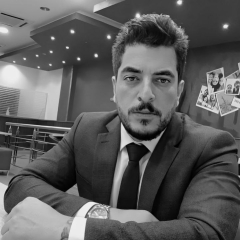
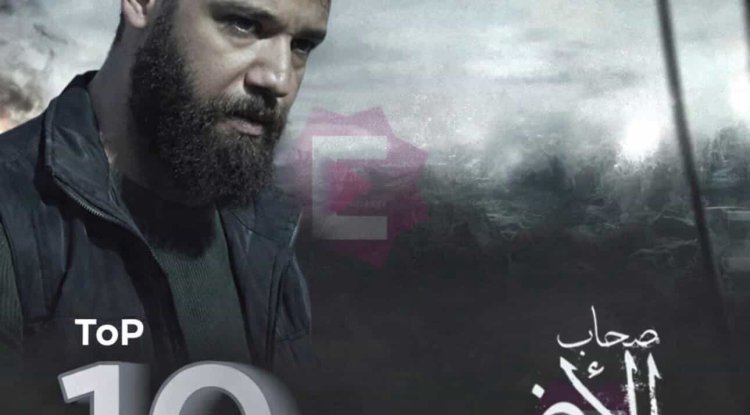
Mohammad Khrouwat: I Didn’t Portray Displacement… I Had Just Lived It
Mohammad Khrouwat turns lived pain into powerful resistance art.
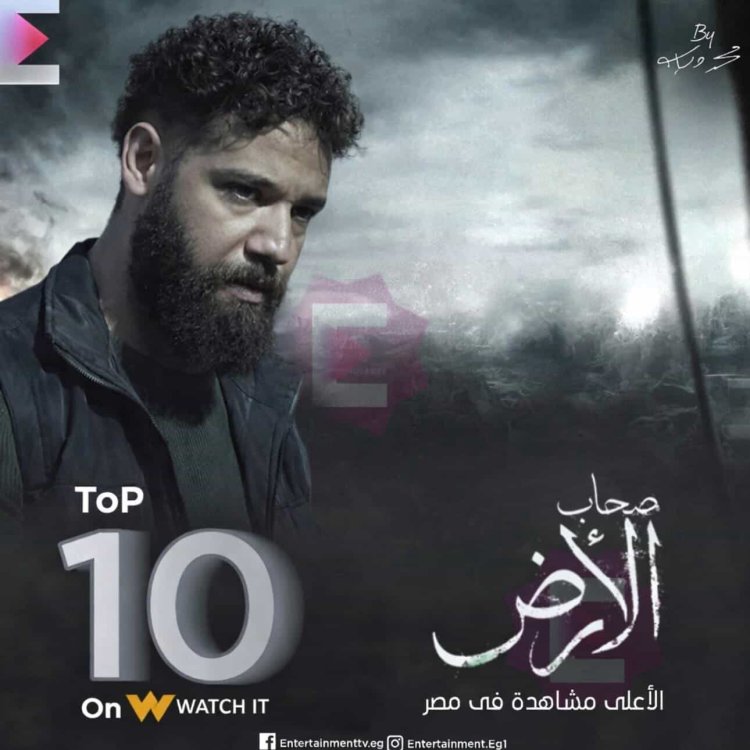
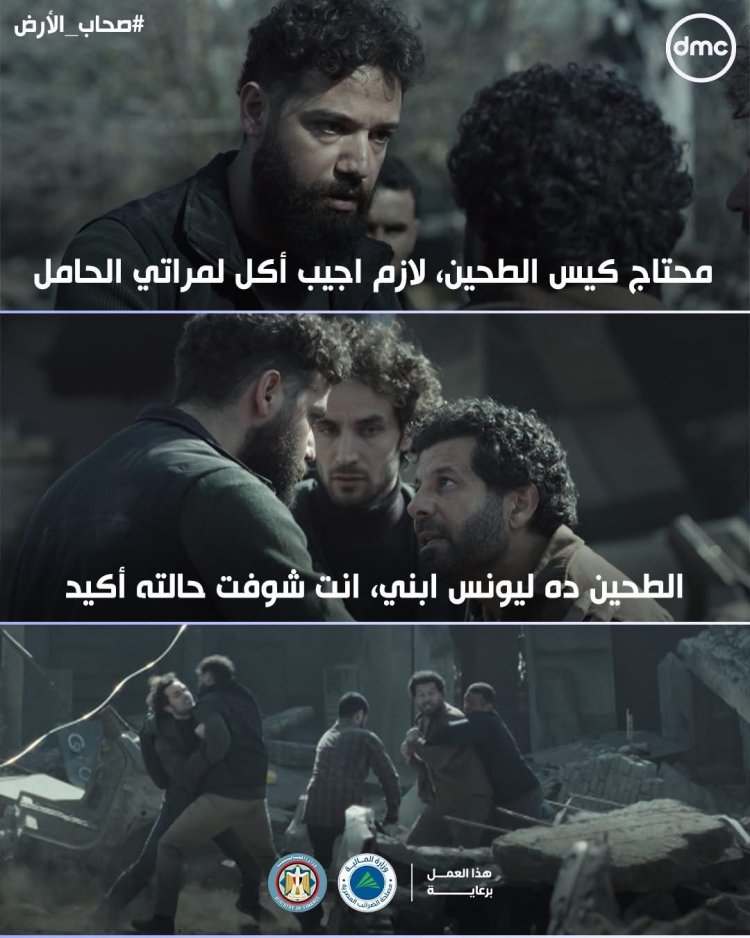
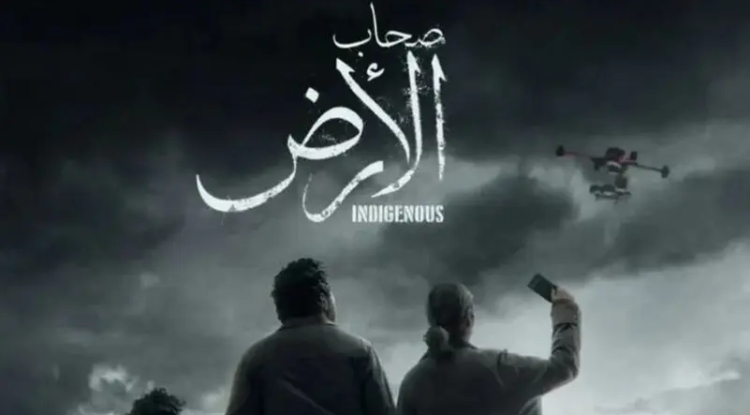
In the series Sohab Al-Ard (“Companions of the Land”), Mohammad Khrouwat was not performing lines written on paper. He stood before the camera carrying the memory of the camp, the smell of flour, and the weight of 45 days he spent in Jabalia refugee camp before leaving Gaza for Egypt.
He appeared in only three scenes. Yet they were enough to reveal that some roles do not require acting — only a heart that is still bleeding.
Was there a scene where you felt you weren’t acting, but reliving something personal or familial? What happened inside you at that moment?
The flour scene, specifically,” Khrouwat says. “The pain of the land was present in every detail. I felt like a bird whose nest had been destroyed… and then destroyed all over again. That scene gave me a vast emotional space. I believe the final judgment belongs to the audience when they see it.”
Did you feel the weight of responsibility — that you weren’t just representing yourself, but the memory of an entire people?
“Absolutely. Anything I present through art carries enormous responsibility. The people of Gaza are watching what we create. We are telling their story, speaking in their name. This is not a passing character — it’s the story of real people
Were you concerned the work might be misunderstood or politically exploited outside its humanitarian context?
“At first, yes. I wondered whether the series could say more than what the world has already seen with its own eyes. But in our cause, it is impossible for an artist to separate professionalism from humanity. If I had sensed even one percent of distortion or exploitation, I would not have taken part.”
Was it difficult to separate your craft as an actor from your emotions as someone watching his homeland reduced to a scene of displacement?
“There is no separation. This is our reality. Even now, as we speak, the war has not ended for me. I am still away from my mother; I cannot even smell her scent. People are still cold. They are still without homes. We are not done.”
After filming ended, did art offer you catharsis — or did it reopen wounds you didn’t want to touch?
“The wounds were never closed to begin with. Watching the episodes, I cry at every scene. The war continues inside us.”
If a young Palestinian currently living through displacement watches this series, what do you hope they feel?
“I hope they feel hope. Without hope, we cannot go on. Today, someone might collapse over losing a pet. We lose our homes, our land, our families — and we continue. We endure because we have no other choice.”
Does it pain you to portray a victim while the world watches as if it’s simply another show?
“Yes, it does. We love life. We have dreams and ambitions we want to achieve. I am a human
being — not a passing scene.”
Is art here an act of resistance, or a documented testimony to an ongoing crime?
“It is both. Art is resistance. It is testimony. It is an archive of the occupation’s crimes. They are angered because they understand the power and influence of art. Art is the language of peoples — and that is why they fear it.”
Mohammad Khrouwat did not merely carry a “bag of flour” before the camera. He carried the memory of hunger, the scent of the camp, and the longing of a son who does not know when he will next embrace his mother.
In Sohab Al-Ard, he was not portraying displacement — he was proving that displacement is not a scripted scene, but a lived fate.
And when the episode ends and the lights fade, one question remains suspended before the world:
How many times must pain be performed before it is finally believed?
Interview by Aliaa Al-Hawari
What's Your Reaction?